
Greetings All,
Locomotive Spotlight #4-2026
Norfolk Southern Dash 9-40CW #9251
Welcome to another edition of the ongoing locomotive spotlight series. Today the spotlight will shine on General Electric Norfolk Southern Dash 9-40CW #9251. Lets take a look at the prototype and the HO scale rivet counter model from Scale Trains.
Is it a C40-9W or Dash 9-40CW?


Lets Find Out!
Prototype Information from Scale Trains
The GE DASH 9 Series debuted in 1993 with numerous electronic upgrades, building on the DASH 8 platform. Available with 4,000 or 4,400hp, they were well-received by the railroads and their employees, quickly becoming one of the most common locomotive types in North America. The DASH 9s remained in production until the early 2000s when it was superseded by GE’s “Evolution Series” ES40/44-series models. Most are still in service today.

General Electric wrestled the title of top domestic locomotive builder from EMD during the late 1980s with their DASH 8 series. GE once again positioned itself to shake up the locomotive world again less than a decade later. Entering the 1990s, GE completely revamped its locomotive lineup by utilizing customer feedback, learning from experience gained from previous locomotive series, and improvements in technology.

A single C44-9W demonstrator, number 8601, debuted in 1993 (and later became C&NW 8601). While similar at first glance to predecessor models like the C40-8 and C40-8W, the Dash-9 series featured a few notable physical differences. Built on a slightly longer platform that allowed for a massive 5,000-gallon fuel tank, Dash-9s also featured thicker radiator “wings” at the rear of the car body. This is usually the quickest way to differentiate them from previous models.

The GE DASH 9 series includes several models, including the C40-9, C44-9W, and C44-9WL. These models differ in power output, traction motor types, and other features, but share a common design and architecture. The DASH 9 series is characterized by its distinctive nose shape, angular lines, and robust construction.

One of the key features of the DASH 9 series is its high-power diesel engine, which produces up to 4,400 horsepower. This makes it one of the most powerful single-engine locomotives in the world. The engine is paired with a state-of-the-art traction control system, which optimizes power delivery and reduces wheel slip. This results in improved acceleration, braking, and overall performance.

The DASH 9 series also features advanced digital control systems, including a microprocessor-based control unit and a sophisticated monitoring system. This allows for real-time monitoring of the locomotive's performance, fault detection, and automatic control of various systems.
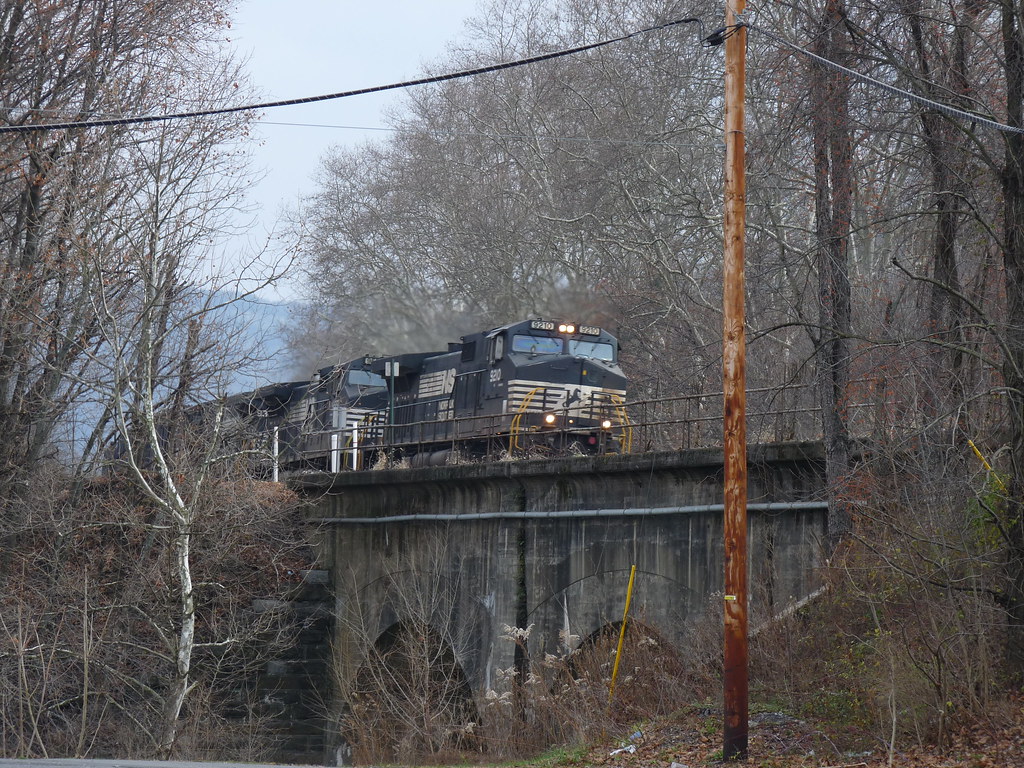
In terms of design, the DASH 9 series has a distinctive appearance, with a sloping nose, angular lines, and a robust construction. The locomotive's body is made of steel, with a durable paint finish and a range of optional liveries. The cab is designed for comfort and ergonomics, with a modern control stand, adjustable seats, and ample visibility.

The GE DASH 9 series has been widely adopted by freight railroads in North America and globally. Its high power, efficiency, and reliability make it an ideal choice for heavy-haul freight operations, particularly in mountainous terrain. Many railroads have also praised the DASH 9 series for its ease of maintenance, reduced downtime, and lower operating costs.
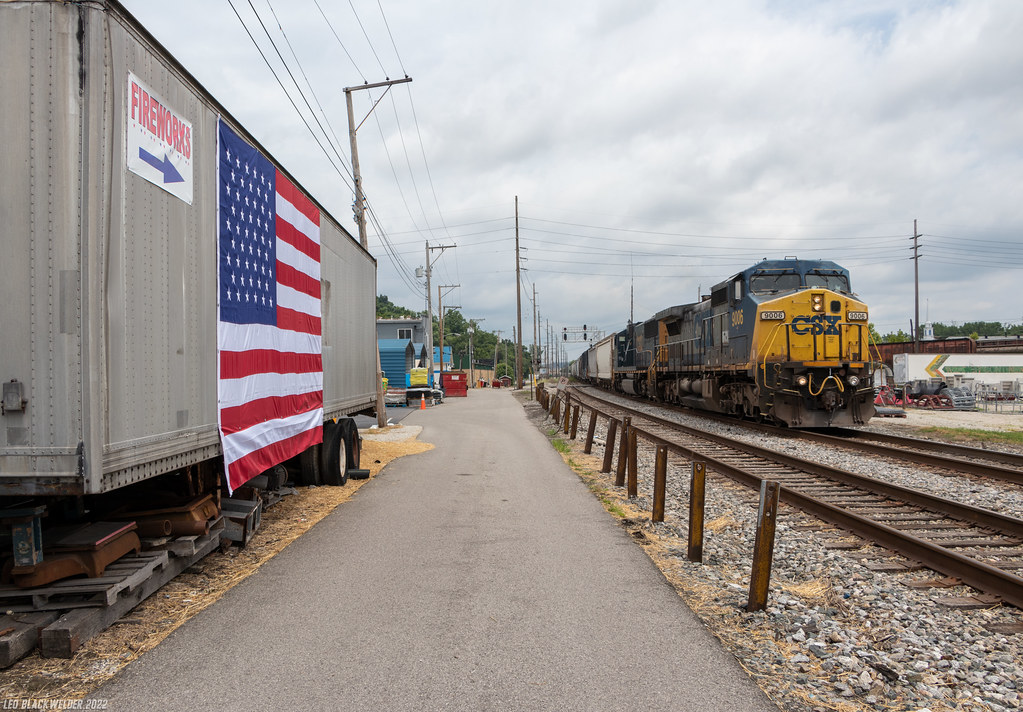
The DASH 9 series remained in production until the early 2000s when it was superseded by GE’s “Evolution Series” ES40/44-series models. Age has begun to catch up with the earliest C44-9W and related models so some railroads are storing and/or rebuilding these veteran units. NS’s oldest units, the spartan-cab C40-9s, have been rebuilt with the latest GE safety cab for increased crew comfort and safety plus AC traction for better performance.

In conclusion, the GE DASH 9 series has earned a reputation as one of the most reliable and efficient locomotives in the world. Built over a long timeframe, and proving to be a solid, upgradeable platform, the C44-9W family of locomotives including rebuilds is sure to remain a fixture on today’s railroads for the foreseeable future.
From Wikipedia
The GE Dash 9-40CW is a 4,000-horsepower diesel-electric locomotive built by GE Transportation Systems of Erie, Pennsylvania, between January 1996 and December 2004. 1,090 were built for Norfolk Southern Railway, as road numbers 8889 to 9978. 53 GE Dash 8-44CWs built to Dash 9 specifications were also built for CSX Transportation, carrying road numbers 9000 to 9052.

Part of GE's "Dash 9" series of locomotives, the Dash 9-40CW shares its frame, HiAd trucks, 16-cylinder 7FDL engine, and 752AH-31 traction motors with the GE Dash 9-44CW. But while the more common 9-44CW offers 4,400 horsepower, software in the 9-40CW's engine-governing unit restricts its power output to 4,000 horsepower, although the engineer can override this restriction when desired. The Dash 9-40CW was basically an extension of the previous order for the standard cab GE Dash 9-40C, built under the same premise that a lower power rating would prolong the life of the engine and use less fuel.

Model Information and
Operation Life Saver
Operation Lifesaver was founded in 1972 to prevent collisions, injuries, and fatalities at railroad crossings and on the tracks through free education, public awareness, and community outreach. Through a three-pronged strategy, the organization educates, enforces, and engineers ways to reduce track-related tragedies.


1:87 scale Sir Neal also checks out the 4082 and compares it to the size of his Cadillac convertible.

The Dash 9 and ES 44 running loud and proud in a multiple unit lash up make their first revenue runs.

The Dash 9 #9251 Operation Life Saver unit passes NS GP60 #7140, another Operation Life Saver unit, sitting in North Side Yard.


The Norfolk Southern units in action!!
Final Thoughts and Comments
Scale Trains has released another standout HO Scale locomotive under their rivet counter series. The locomotive ran great out of the box and in multiple with my Scale Trains ES44 which was the reason for the Dash 9 purchase. The locomotive consist powered by MRC Tech 7 or 2500 series DC controllers ran smoothly together with good sound and bright lights. In DC the DCC options are not available but at some point down the road I may convert the lower level of the layout to DCC to access these features on these and the other DCC sound equipped locomotives in my fleet.
Additional Information and Links
Scale Trains GE Dash 9-44CW model.
Wikipedia Dash 9-40CW page
Rail Pictures photos of NS Dash 9-40CW #9251.
RR Picture Archives photos of NS GP60 #7140.
Thanks for reading and watching!!!
See you soon!!!
Nice article, good looking locos. I've always liked the NS scheme, even tho I'm a west coast guy. Thanks for sharing.
ReplyDeleteThank you very much. Glad you liked the post!!
ReplyDeleteNice looking model. Ooops, I mistook one of the captions for another and thought "That can't be Sir Neal in the blue overalls by the yellow car!" .......................
ReplyDeleteThank you very much Sir Barry!!
DeleteThat was 1:87 Sir Neal!!
Another great Locomotive blog post! Those NS engines do look nice and run well in consist.
ReplyDeleteThank you very much Sir Neal!!
Delete